
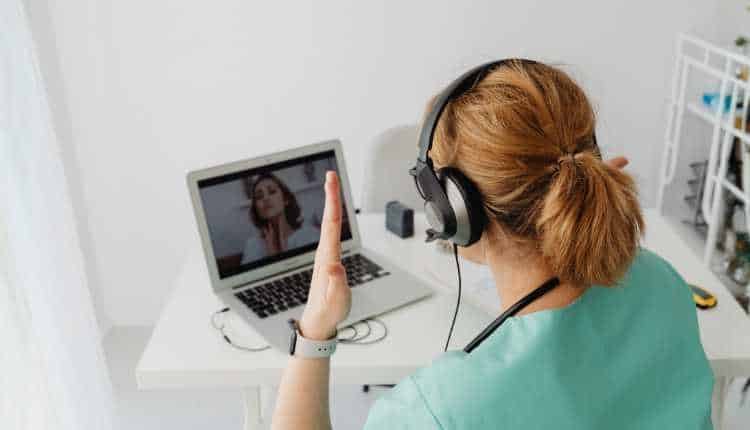

Online therapy presents itself as an extremely convenient way for anyone to get help for mental health issues. And it can be – but only if you get the most out of it.
You see, this type of mental health “treatment” sometimes gets a bad rap because people don’t know how to use it properly. They can choose bad suppliers or approach everything from the wrong side. When used correctly, online therapy can be just as good, if not better, than traditional in-person therapy sessions.
So how do you ensure you get the most out of it and don’t waste your money?
1) Choose the right supplier
Most people make the mistake of choosing a bad online therapy provider at first. The worst providers all have the following things in common:
- They don’t offer you real therapists
- They cost a fortune
- They usually have bad reviews
Find a supplier that does the opposite. Look for one staffed by real people – and real licensed therapists. Search Insurable online therapy so it doesn’t cost an arm and a leg. Most importantly, look at reviews and ask around on Reddit or other communities to see what people think of the provider.
This will help you eliminate the worst options and find suitable ones. Don’t be afraid to book multiple sessions with different providers so you can determine which is the best fit for you. There is nothing wrong with canceling if you feel there is a better therapist out there.
2) Focus on long-term results
Stop seeing online therapy as a one-time solution to your problem mental health problems. The very nature of these issues means that they are deep within your psyche. It is naive to think that you can book one online session and solve everything – it will not work.
Treat online therapy as a long process. This is a journey you are embarking on and it will take time to see results. Don’t focus on short-term gains; instead, look ahead to long-term results.
Remember that you need to stick with the sessions to work through your mental baggage and this approach changes how you respond to each session. You begin to have more faith in the treatment and are more likely to give of yourself.
3) Be honest – say what’s on your mind
Speaking of giving your all, some people find it difficult to open up during online therapy. This is not necessarily a problem with online therapy. This is something that people find difficult to do in all forms of therapy.
You think you’re open and honest, but are you? Do you have thoughts that creep into your head and almost leave your mouth, but you hold back at the last second?
You should remove any feelings of self-awareness from online therapy sessions. Be honest about everything and say exactly what’s on your mind, even if it’s embarrassing or you think it sounds “weird”. The whole point of therapy is to unpack the inner workings of your mind so you can try to get to the bottom of things.
Ironically, online therapy makes it easier for you to open up because you don’t have to have face-to-face conversations.
If you want, you can text your therapist online; some people find it more comfortable, especially if they have trouble saying certain things out loud. You will always feel that invisible rope holding you back if you hold back your thoughts during online therapy, so get into the habit of speaking your mind.
4) Find a convenient place to hold classes
You will never see the full effect of online therapy unless you take it seriously and with respect.
Some people sign up for therapy because it has been recommended to them and they feel they are doing something positive. However, gradually they begin to perceive it as part of their daily routine, rather than as an important health destination.
As a result, they conduct online text therapy on the train to work or make phone calls in the kitchen at home while the rest of their family lives nearby.
This is not the correct way to proceed, as it means that you:
- Not taking it seriously
- Less chance to open
Treat online therapy sessions like any other health care appointment and set aside a special time for them. Clear your schedule if you have a reservation and make sure you sign in quiet and private place. Immediately, you start each session in a better mood, which encourages you to take it seriously and get more out of it.
5) Actually, take notes and apply what you learn
What good is online therapy if you don’t listen to what the therapist says and apply their teachings to your life? It’s a no-brainer, so get into the habit of taking notes during your sessions, or ask your therapist to send you some quick notes or lists of what you need to do between now and your next session.
Therapy is only part of the solution to your mental health problems: you you need to act on what you learn.
If your doctor tells you start a fitness routinesince this is what you lack and it seems like it will benefit you, then you should do it. Otherwise, you get to the next session and complain about the same thing, but you haven’t even tried what the therapist suggested.
Take notes so you don’t forget the key takeaways from each session, and it’ll also give you something to compare to later. You can review your notes from the first session after the tenth session and see so much progress that it will help you feel that the online therapy is working.
Online therapy for everyone? No – some people may still find it not useful, but you can only form that opinion if you try to get the most out of it. Apply these ideas to your next sessions and see if the therapy starts to resonate with you. It could be the best thing you ever do for your mental health.