


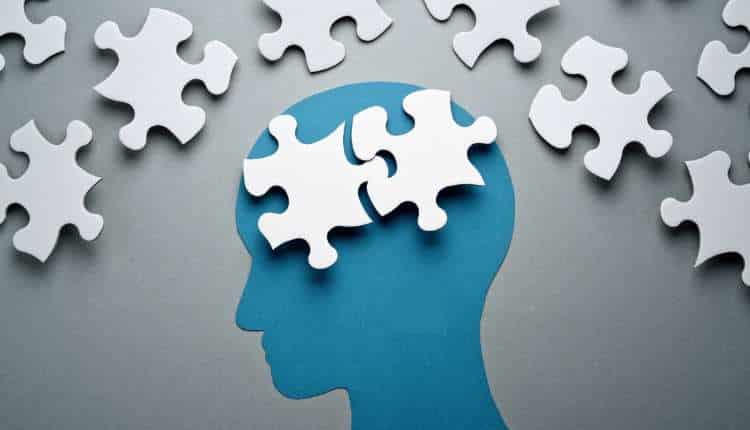
Success is often seen as a matter of discipline, motivation or hard work. While these qualities are certainly important, they are only part of the picture. The way we process information, regulate emotions, manage attention, and organize tasks affects our ability to perform consistently at work, in school, or in our personal lives.
For some people, these mental processes happen almost automatically. For others, they require much more effort. Understanding how your brain works is no excuse for hardship. It’s about recognizing your strengths, identifying your challenges, and developing strategies that allow you to perform at your best.
Success depends not only on intelligence
Academic achievement and professional success are often associated with intelligence, but cognitive ability is only one factor that contributes to long-term performance.
Equally important are skills such as planning, prioritization, working memory, time management, and emotional regulation. Collectively known as executive functions, these mental processes help us turn ideas into action, manage competing priorities, and adapt to changing situations.
Research consistently shows that executive functions play a significant role in everyday decision-making and performance.
When these skills are challenged, even highly capable people can find it difficult to meet deadlines, stay organized, or complete tasks effectively.

There is no universal brain
People perceive information in different waysreact differently to pressure and develop unique approaches to problem solving.
Some thrive in a structured environment with clear procedures, while others work best when given flexibility and opportunities to think creatively. Understanding these differences allows people to work with their natural cognitive strengths rather than constantly fighting against them.
Recognizing how you think can also improve collaboration, communication, and leadership by helping you realize that others may approach the same problem from a completely different perspective.
Self-awareness leads to better decisions
Many people spend years trying to impose habits or productivity systems that simply don’t align with their vision.
Developing self-awareness makes it easier to identify which environment is conducive to focuswhich situations create unnecessary stress and which routines actually improve performance. Instead of relying on trial and error, people can make informed decisions about how they structure their work, manage their time, and approach complex tasks.
Screens, notifications, and constant noise are quietly draining your attention and inner peace. This course shows you how to reclaim your sanity, regain peace, and live more consciously in a hyper-connected world.
Explore the course
This level of understanding often leads to greater confidence because success is based on realistic strategies rather than unrealistic expectations.
Differences in neural development can affect everyday performance
For people with Attention Deficit Hyperactivity Disorder (ADHD), success may require different approaches rather than great effort.
ADHD affects executive functioning, affecting areas such as attention regulation, organization, impulse control, and working memory.
These differences can affect education, careers, and relationships, even for highly intelligent and motivated people. Understanding these patterns allows people to develop practical strategies that support long-term success rather than relying solely on willpower.
For those wondering if lifelong problems with focus, organization, or time management may be associated with ADHD, Center for ADHD offers comprehensive assessments and evidence-based support from expert clinicians, helping people gain a better understanding of how their mind works and available treatment options.
Strengths become clearer with better understanding
Understanding your cognitive profile it’s not just about recognizing problem areas. It also helps identify natural strengths that might otherwise be overlooked.
Many people excel at thinking creatively, spotting patterns, generating innovative ideas, or solving problems from a fresh perspective. Others demonstrate exceptional interpersonal skills, sustainability or adaptability under pressure.
Assessing these strengths allows individuals to choose careers, responsibilities, and work methods that match their abilities.
When people build on their strengths while managing their challenges, performance is often more sustainable.
Success is personal, not universal
Today’s definitions of success vary greatly. For one person, it can mean advancement in a demanding career. On the other hand, it may involve maintaining healthy relationships, managing family life effectively, or achieving a better work-life balance.
Understanding how your mind works makes it easier to define success according to your own values, rather than comparing yourself to others whose cognitive abilities and challenges may be completely different.
The goal is not to think like everyone else. It’s about understanding how you think, using that knowledge to make informed decisions, and creating an environment where you can always perform at your best. As research continues to deepen our understanding of the brain, it is becoming increasingly clear that self-awareness is one of the most valuable tools for achieving lasting personal and professional success.
Explore our courses