
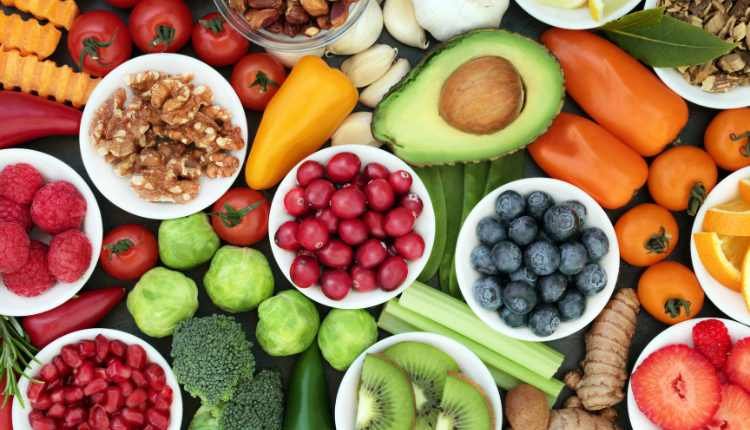

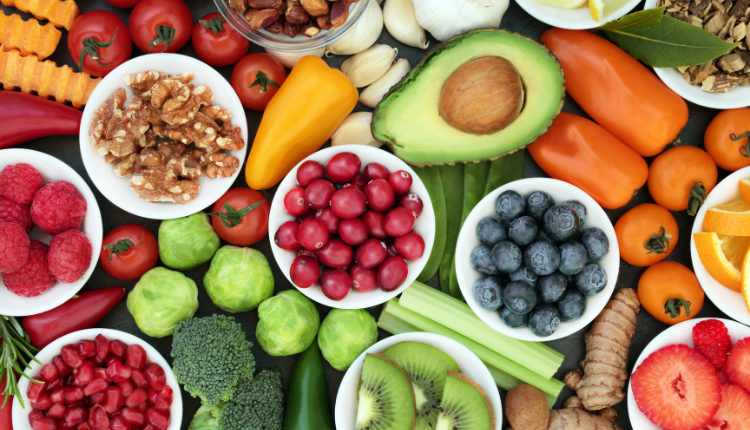
Energy and focus are not built from one perfect meal, one strong cup of coffee, or one strict daily routine. They come from small food choices that are repeated every day, especially during busy mornings, long work hours and afternoon slumps.
To create this guide, dietary recommendations from public health and academic sources have been reviewed and translated into practical steps for everyday life.
For many people, the goal is not to eat perfectly. The real goal is to eat in such a way that the body feels resilient, clean and ready for the day. When meals are balanced, snacks are planned, and hydration is not neglected, it becomes easier to stay energized without relying on sugar or caffeine for every energy slump.
Start your day with a meal you like
A focused day often begins before the first email, meeting, or errand. Breakfast doesn’t have to be big or time-consuming, but it should give the body something useful to work on.
A balanced morning meal usually includes fiber-rich carbohydrates, protein, and some healthy fats. This can look like oatmeal with nuts and berries, eggs with whole grain toast, Greek yogurt with fruit, or a shake of protein, greens and seeds. These foods help create a more sustainable foundation than sugary pastries or coffee alone.
Some people find skipping breakfast helpful, but others find it leads to foggy thinking, irritability, or food cravings later in the day. The main thing is to pay attention to the samples. When mornings feel rushed and choices are often random, planning can make a big difference.
This could mean keeping light meals ready at home, packing breakfast the night before, or using healthy food delivery to have balanced options on hand. The simpler the system, the more likely it will become a habit.
Morning drinks matter too. Coffee can help you stay alert, but it shouldn’t be your only source of fuel. Drinking water at the start of the day keeps you hydrated, and pairing coffee with food can help reduce the jitters that some people experience when caffeine is taken on an empty stomach.
Create energy-boosting meals
The body uses food for energy, but different foods affect energy in different ways. Highly refined foods and sugary drinks can quickly lift your mood and then leave your body feeling tired. A diet built around whole grains, vegetables, fruits, protein, and healthy fats tends to support more consistent energy.
A useful plate can be simple. Fill part of your plate with vegetables or fruit, add protein such as eggs, fish, poultry, tofu, beans, lentils or yogurt, then add fiber-rich carbohydrates such as brown rice, oats, quinoa, beans or whole grain bread. Add healthy fats from foods like olive oil, avocado, nuts or seeds.
This type of food can reduce the urge to mindlessly snack and can help you concentrate better during long work. Protein helps food feel more filling. Fiber slows down digestion and keeps blood sugar levels stable. Healthy fats add strength and flavor.
Lunch is the usual turning point of the day. A heavy meal can make the afternoon feel sluggish, while a light meal that’s too low in protein can cause hunger to return too quickly. A hearty lunch can be porridge with vegetables and chicken, lentil soup with whole grain crackers or a salad with salmon, beans, nuts and olive oil dressing.
Snacking can also help, especially if there is a long gap between meals. The best snacks combine two healthy elements, such as protein and fiber. Try apple slices with nut butter, hummus with vegetables, cottage cheese with fruit, or a small handful of nuts with whole grain crackers.
Step away from automatic reactions and experience a calmer, more conscious way of life.
👉 Get started with a free lesson
The timing of caffeine administration is noteworthy. A morning cup of coffee or tea can be part of a healthy routine for many adults. Late afternoon caffeine, however, can affect some people’s sleep. Poor sleep often leads to less attention the next day, which can lead to more caffeine and uneven energy.
Make healthy eating easier during busy days
Most people don’t struggle with just knowing food. They race against time stressdecision fatigue and lack of planning. A person can know what a balanced meal looks like and still choose what is fastest when the day gets crowded.
That’s why better eating habits have to seem realistic. A healthy routine removes friction. It does not depend on constant willpower.
Start by choosing a few meals. These are dishes that can be prepared quickly and adjusted without much thought. Breakfast, a bowl of rice, lunch with soup and salad, or a dinner out of a tin can all become a reliable standard option.
ial prepare you don’t have to prepare every meal in advance. This may mean washing fruit, chopping vegetables, cooking one grain, boiling eggs or preparing several proteins. Even one cooked item can make for a healthier choice later.
It also helps to design the kitchen for better choices. Keep the water visible. Place the fruit where you can see it. Keep balanced snacks at eye level. Place less useful products out of the main traffic path. Small changes in the environment can guide behavior without requiring a major overhaul of life.
Food should also be flexible. Some days will include a meal, snack, or dessert, and it won’t break your progress. A strong diet is built over time. The next meal is always an opportunity to restore balance.
Better energy starts with a choice that repeats itself
Eating to boost energy and focus isn’t hard and fast. It’s about choosing products and treatments that help the body feel supported throughout the day. Balanced breakfasts, full lunches, smart snacks, water, and judicious caffeine consumption can all work together to create more sustained energy.
The best habits are the ones that correspond to real life. When healthy foods are readily available, meals are easy to prepare, and choices are planned before stress takes over, it becomes much easier to focus.
Learn about moments of joya five-lesson journey to discover the quiet, lasting happiness that’s already within you. No big leaps required, just simple steps.
👉 Discover the Journey to Everyday Happiness!
Explore Inner Awakening here